About The Practice
Wise City Life is a practice, not a consultancy. We integrate technology with community wisdom through methods developed over 30 years of work, failure, and learning.
What we've discovered: wisdom matters more than intelligence. Community matters more than technology. What endures matters more than what's new.
We engage selectively with organizations ready for transformation, not those seeking vendors.
Origins
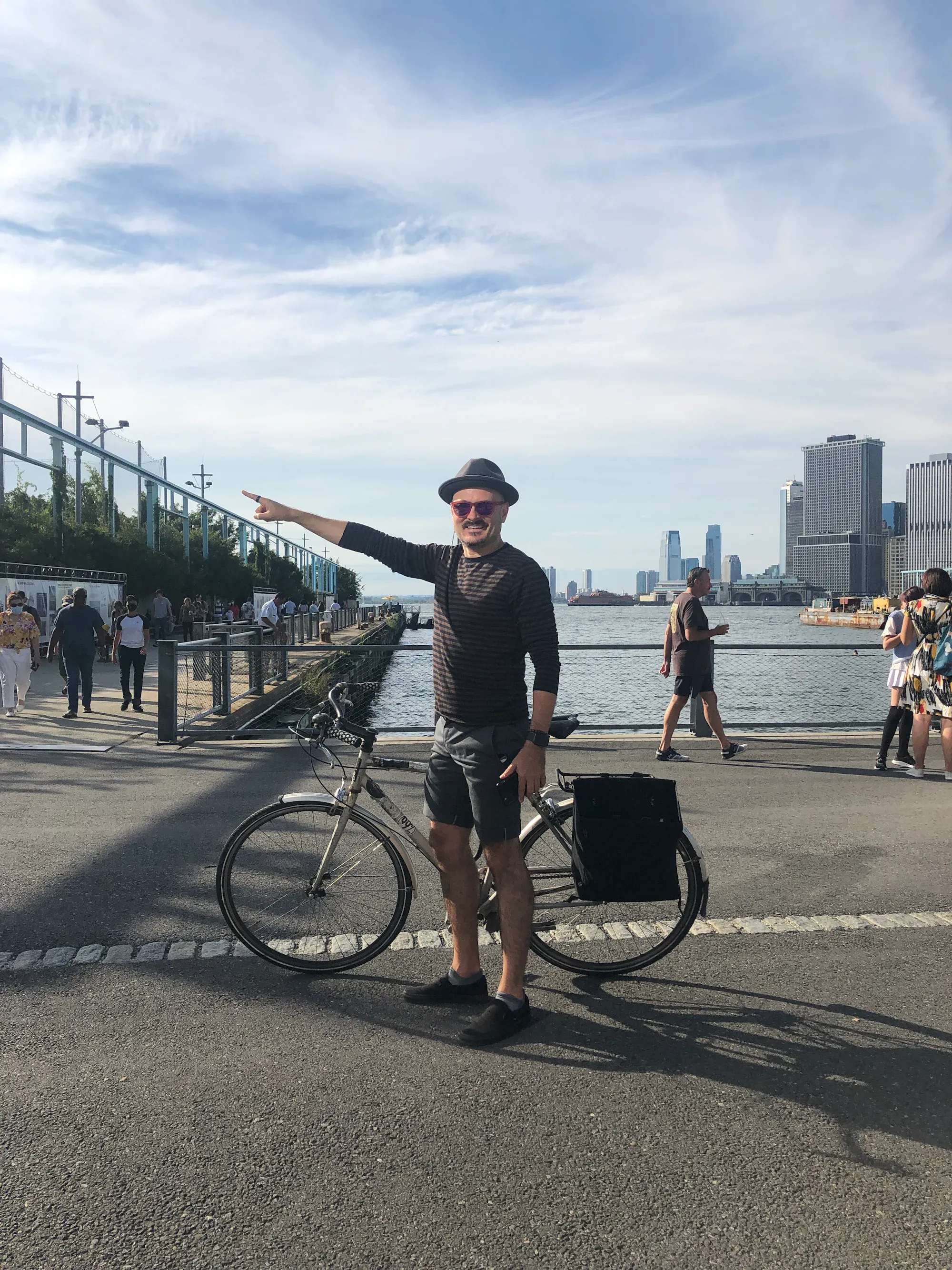
The seed was planted on a Brooklyn bike lane in 2008 — the recognition that how we shape physical places matters more to humanity's future than any digital product, and that our digital and physical worlds were developing in dangerous isolation from each other.
This recognition became "digital placemaking" in 2010 at Project for Public Spaces— a counter intuitive new practice mindfully integrating technology to strengthen communities rather than extract from them. This work focused on building the first civic mapping platforms in support of offline local in-person organizing and participatory placemaking methods. We co-led online/offline campaigns in cities across the world. We learned what works by doing the work.
This practice has survived every tech hype cycle: Web 2.0, blogs, Segway, VR, social media saturation, crypto, Web3, blockchain, metaverse, and currently "AI". Each time watching organizations make predictable heedless technosolutionist mistakes (the belief that "smart" technology alone will solve complex human problems) and sometimes helping them avoid those mistakes. What survives is worth trusting.
Transformations
Selected work Daniel led across 30 years of practice, as founder of Wise City Life, and in prior roles where he bore responsibility for outcomes.
Australian Government Smart Cities Masterclasses
The Australian Government recognized the risk that their "smart cities" funding would produce frivolous tech purchases instead of community benefit, and risk political and electoral backlash. Cities Leadership Institute hired Wise City Life specifically for a different perspective.
Daniel led masterclasses across four cities—Brisbane, Sydney, Perth, Melbourne—helping officials shift from tech-centered approaches to community-centered governance.
The measurable shift: officials left with clearer frameworks for evaluating technology against real community governance needs, and renewed confidence to push back on vendor hype.
One participant's summary: "I came in thinking it was all about tech. I left thinking it's anything but."
They sought deeper context and wisdom over hype. That's what we practice.
PhotoShelter
In a prior role as VP Product, Daniel led a growth-stage SaaS company through an existential product crisis—stalled pipeline, board pressure, enterprise customers threatening to leave. The CEO needed someone to diagnose the dysfunction and turn it around.
Daniel rebuilt their software development lifecycle: introduced Lean Startup and dual-track methods, restructured cross-functional teams around outcomes instead of features, unblocked their critical group collaboration feature, and navigated ethical AI integration for computer vision.
Velocity increased 50% within months. Team morale restored. Enterprise deals closed. Multiple 6 figure accounts of annual recurring revenue (ARR) protected and new revenue streams opened up.
A stalled company became a shipping company. That's the work an operator like Daniel does.
Digital Placemaking: Building a Practice, Not Just a Project
At Project for Public Spaces, Daniel created the digital placemaking program – addressing a question no one had answered well: how do you mindfully create digital technology for community participation without undermining what makes places and democracy actually work — people meeting face-to-face, building trust, knowing each other?
Daniel developed the first community asset mapping tools adapted from Kenyan open source software and the digital strategies integration with in-person local placemaking campaigns in over a dozen cities, helped found NYC's participatory budgeting initiative as a steering committee member and led its software efforts using these new tools and methods. All of this work spread to multiple cities including New York, Stockholm, Warsaw, San Antonio, Cali, and Sydney, among others, and actively influenced other organizations' (e.g. OpenPlans, Neighborland) products and approaches.
One program became a field. One set of tools became shared infrastructure. This is what Daniel means by mindful multiplier effects — building wiser ecosystems, not just delivering projects.
Current Availability
If you're leading a mission-driven organization through digital challenges —or seeking to deepen your own practice in this work — I welcome a conversation about what's possible.
I'm selectively available for:
Fractional Product Leadership — VP Product and Head of Product engagements with organizations navigating digital transformation, product-market challenges, or technology strategy decisions that require senior operator experience, not just advice.
Strategic Advisory — Ongoing advisory relationships for leaders and organizations seeking wiser ways across technology, community, and social impact.
Transformation Partnerships — Focused engagements addressing specific digital placemaking, product strategy, or organizational change challenges through Wise City Life's practice.
Reach out to discuss fit and timing: connect on LinkedIn, or...